Invisalign for Everyday Confidence and Convenience
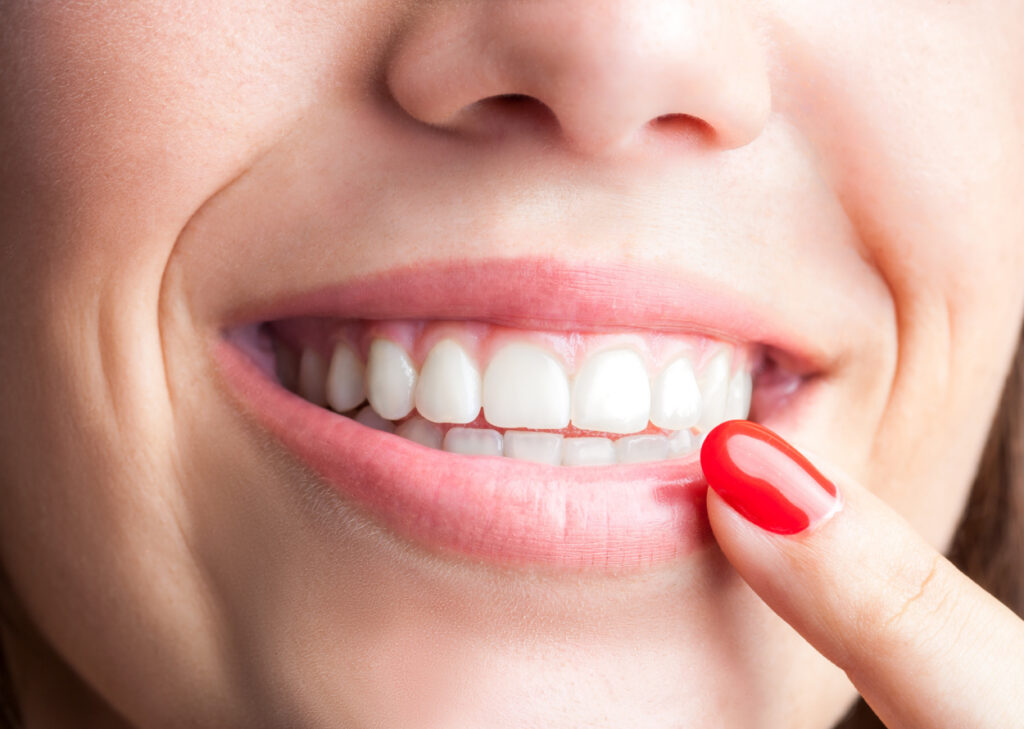
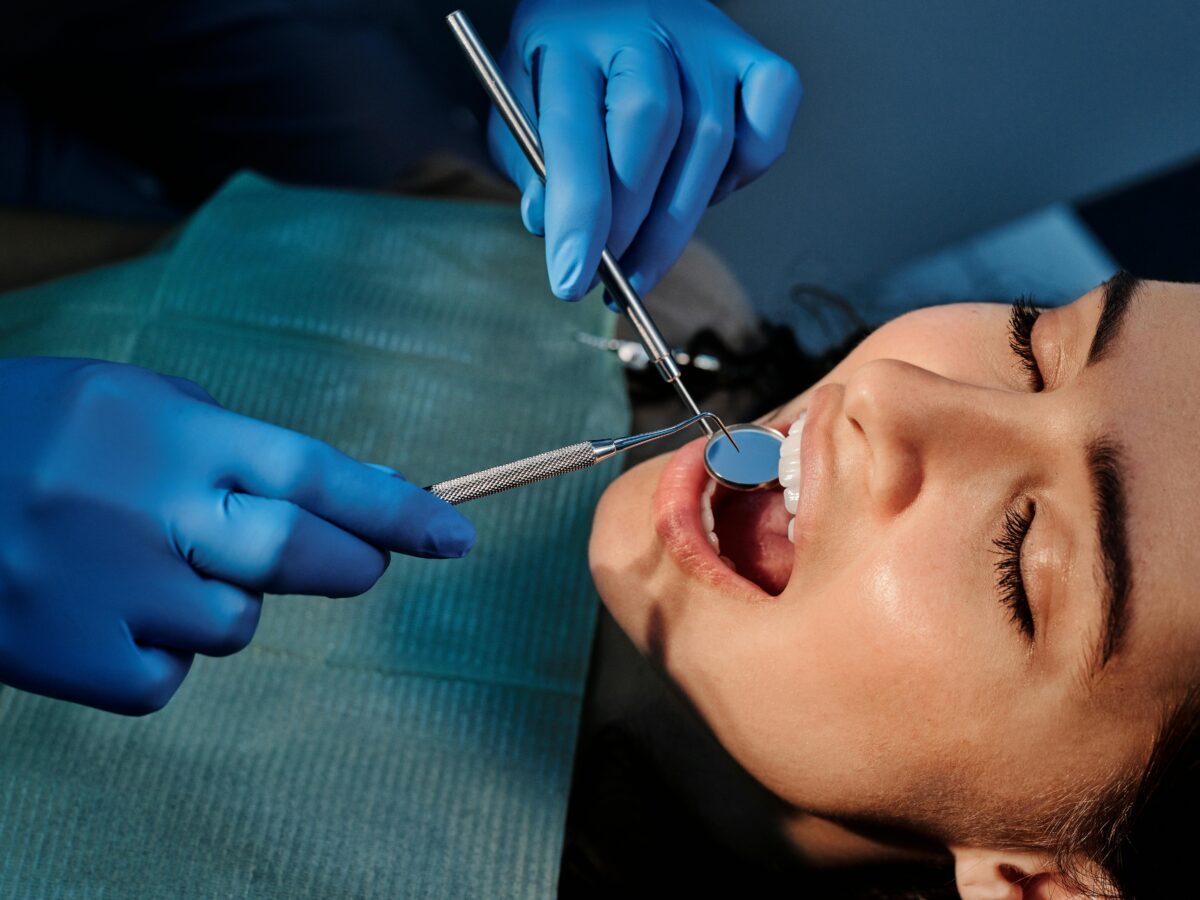

A straighter smile is often discussed in cosmetic terms, but daily life tells a fuller story. People do not usually think about their teeth only when they look in the mirror. They think about them during a meeting, while laughing in a photo, when speaking to a new client, or when trying to floss crowded lower front teeth at the end of a long day. That is where Invisalign tends to stand apart. Its appeal is not just that it can be discreet. It is that it fits more naturally into ordinary routines than many people expect.
For adults and teens who want orthodontic treatment without the look and feel of traditional brackets and wires, Invisalign offers a very practical middle ground. The aligners are clear, removable, and custom-made to move teeth gradually. For the right patient, that combination can support both confidence and convenience in ways that matter from morning coffee to evening dinner plans.
What deserves attention, though, is the difference between marketing language and real life. Invisalign can be excellent, but it is not magic. Results depend on diagnosis, design, and patient consistency. Some cases are straightforward and move beautifully. Others need attachments, refinements, or a hybrid approach. The best decisions come from understanding both the benefits and the demands.
Why everyday confidence matters more than people admit
Many patients first mention appearance in a slightly apologetic way. They will say they are not trying to be vain, they just do not like the way one front tooth crosses over another, or how their lower teeth look in photos. In practice, that concern often touches far more than vanity. Teeth are central to expression. If someone smiles with lips closed, covers their mouth when laughing, or avoids being photographed, the issue is already affecting social ease.
Clear aligners can reduce one of the biggest barriers to treatment, which is the feeling of becoming self-conscious while trying to fix self-consciousness. An adult professional can attend presentations, interviews, networking events, and video calls without drawing much attention to the process. A college student can straighten teeth without feeling like they have gone backward to middle school. A parent juggling work and home may appreciate treatment that does not immediately announce itself every time they speak.
Confidence also tends to build in stages. It does not usually arrive all at once at the end of treatment. Patients often notice small shifts first. The upper lateral incisor that looked tucked behind begins to line up. The bottom front teeth stop overlapping as much. Smiling starts to feel less calculated. That gradual improvement can be surprisingly motivating, especially for people who have postponed orthodontic care for years.
There is another layer here that clinicians see often. When patients feel good about the process, they tend to stay more engaged with it. They wear aligners more faithfully, keep review appointments, and follow instructions more closely. Confidence is not just an emotional benefit. It can affect compliance, and compliance affects outcomes.
The convenience people notice after the first week
Most patients focus initially on how invisible the aligners are. After a week or two, the conversation often shifts. The bigger daily advantage becomes convenience.
Traditional braces ask you to live around the appliance. Invisalign, when used properly, lets the appliance live around your routine. You remove aligners to eat, so there are no food restrictions in the same way. Crunchy bread, apples, corn on the cob, and popcorn are not orthodontic hazards if the trays are out while eating. Brushing and flossing feel familiar because you are cleaning your actual teeth, not working around brackets and wires with threaders and tiny brushes.
That convenience becomes especially valuable for adults with full calendars. If someone has a business lunch, they can remove the trays, eat normally, rinse, and put them back in. If they are speaking publicly, there are no sudden concerns about a loose bracket or a wire irritating the cheek before stepping on stage. If they play a wind instrument or a contact sport, the removable design can be an advantage, though it requires clear guidance from the treating doctor.
Convenience does come with a condition. Removable means responsible. Invisalign only works as intended if the aligners are worn consistently, usually about 20 to 22 hours a day for most treatment plans. That is why it suits motivated patients best. For someone who frequently forgets things, snacks all day, or dislikes routine, braces can sometimes be the more reliable option despite being less convenient on paper.
How Invisalign works in real practice
The basic concept is simple. A series of custom aligners applies controlled pressure to move teeth incrementally. Behind that simplicity is a considerable amount of planning. The treating dentist or orthodontist evaluates the bite, spacing, crowding, gum health, jaw relationships, and facial balance, then maps out a sequence of movements.
Modern aligner therapy can handle much more than mild spacing. Many cases of crowding, rotations, deep bites, open bites, and crossbites can be treated successfully. Attachments, those small tooth-colored shapes bonded to certain teeth, often play a key role. They give the aligner something to grip so it can produce more precise movement. Interproximal reduction, which involves removing a very small amount of enamel between selected teeth, may also be recommended in crowded cases to create space without extractions.
This is where professional judgment matters. Not every case that can be simulated on a screen is equally predictable in the mouth. Teeth do not move in software. They move through bone and ligament, influenced by anatomy, habits, and wear time. Experienced providers know when to simplify a plan, when to stage a difficult movement later, and when to tell a patient that braces or combined treatment would likely be more efficient.
That candid discussion is one of the most valuable parts of a consultation. The right provider should be able to explain what Invisalign can do well in your case, where the limitations are, and what refinements may be needed along the way.
The small day-to-day habits that make treatment easier
The people who have the smoothest Invisalign experience usually settle into a rhythm quickly. They keep the aligners in for most of the day, remove them for meals, clean them routinely, and avoid long stretches of snacking. That sounds simple because it is simple, but simple habits often determine whether treatment feels seamless or frustrating.
A common example is coffee. Many adults do not want to give it up, and they usually do not have to. The practical issue is heat, staining, and sugar exposure. Drinking hot coffee with aligners in is generally not advised because heat can warp plastic. Sipping sweetened coffee for an hour with aligners out can also be a problem if it cuts into wear time repeatedly. Patients who do best often consolidate their meals and drinks, rather than removing trays ten times a day.
Travel is another real-world test. Invisalign tends to travel well if a person packs thoughtfully. A case, toothbrush, toothpaste, and a few cleaning supplies go a long way. People who toss trays into a napkin at a restaurant often learn an expensive lesson. Staff clear tables, napkins disappear, and aligners end up in the trash more often than you might think.
Speech deserves an honest mention too. Some patients speak normally almost immediately. Others notice a slight lisp for a few days, especially with certain sounds. Most adapt quickly. For professionals who talk all day, that adjustment period is usually short, but it is still worth anticipating. If someone has a major presentation, it can help to start a new set of aligners a few days before rather than the night before.
Where Invisalign shines, and where it asks for patience
There is a reason aligners have become so popular among adults. They offer a combination of aesthetics and flexibility that is hard to ignore. Yet the strongest treatment decisions come https://www.google.com/maps?cid=2377252397395601081 from understanding the trade-offs clearly.
Here are some of the benefits patients commonly value most:
- The aligners are discreet, which often reduces self-consciousness at work and in social settings.
- They are removable for meals and oral hygiene, so eating and cleaning feel more normal.
- There are no metal brackets or wires to rub against the cheeks and lips in the same way.
- Appointments are often straightforward and efficient, especially once treatment is underway.
- Digital planning can give patients a useful preview of expected movement, though it remains a projection, not a promise.
Those advantages are real, but Invisalign also asks for discipline. If trays sit in their case for half the day, teeth will not track properly. If patients switch aligners too soon, or too late, progress may stall. If oral hygiene is neglected, plaque can sit against the teeth and raise the risk of decalcification or cavities. None of those issues are unique to aligners, but the removable design means patient behavior carries more weight.
Patience matters as well. Teeth move biologically, not mechanically. Some aligners feel easy, others bring pressure for a day or two. Some teeth respond exactly on schedule, others lag and need refinement trays later. That does not necessarily mean the treatment has failed. It often means the process is being adjusted responsibly.
Eating, socializing, and living normally
One of Invisalign’s least glamorous but most appreciated benefits is the freedom to eat without negotiating around hardware. Patients can enjoy a salad with nuts, a crusty sandwich, or a steak dinner without worrying that food will catch around brackets for the next several hours. For people who dine out often or attend work functions, that can make treatment far less intrusive.
Socially, the removability cuts both ways. It is liberating when you want to eat, toast at a wedding, or pose for a formal photo. It can also create moments of awkwardness if there is nowhere convenient to remove and store the trays. Most patients solve this quickly by carrying their case everywhere. The first time someone wraps aligners in a tissue and nearly loses them is often the last time they make that mistake.
Dating, public speaking, and close conversation are areas where many adults quietly appreciate the discreet nature of Invisalign. People often assume others are scrutinizing their teeth more than they really are, but confidence does not depend on objective attention. If an appliance allows someone to relax and interact more freely, that benefit is meaningful whether anyone else notices the aligners or not.
There is also a practical side to special events. Weddings, reunions, graduations, and professional headshots are common reasons people finally start treatment. Clear aligners are appealing because they usually let those moments happen without making orthodontic care the main visual story.
Oral health benefits beyond appearance
Straightening teeth is often framed as cosmetic, but alignment can have genuine oral health value. Crowded or overlapping teeth can be harder to brush and floss effectively. That can increase plaque retention and contribute to gum inflammation over time. A more aligned arch can make home care easier, which matters more than people realize.
Bite relationships matter too. Certain malocclusions can concentrate wear on specific teeth or place strain in ways that are not ideal long term. Orthodontic correction is not a cure-all for grinding, jaw pain, or every functional complaint, but improving alignment can sometimes reduce problematic contacts and support a more balanced bite.
That said, treatment should be planned with periodontal health in mind. Adults may have recession, bone loss, restorations, or a history of clenching that changes what is appropriate. This is another reason thorough evaluation matters. Invisalign is a sophisticated tool, but it still needs a biologically sound starting point.
What patients often ask before saying yes
The questions are remarkably consistent. Will it hurt? Will people notice? How long will it take? Is it worth the cost? Can it fix my specific problem?
Discomfort is usually better described as pressure than pain. A new set of aligners often feels tight for the first day or two. That pressure is a sign that movement is being directed, though intense pain is not the goal. Most patients adjust well, especially after the first few changes.
Treatment length varies. Some mild alignment cases finish in several months. More comprehensive cases can take well over a year. Refinements are common, and they are not necessarily a red flag. They are often part of pursuing a better finish once the first series reveals how the teeth are actually responding.
As for value, cost is personal. Invisalign is an investment, and fees vary by region, complexity, and provider. The smarter question is not whether it is cheap. It is whether the benefits, predictability, and convenience justify the cost in your specific case. For many adults, the answer is yes precisely because treatment can happen without disrupting work, appearance, and everyday habits as much as they feared.
Choosing the right provider matters as much as choosing the system
Patients sometimes talk about Invisalign as though it were a product that works the same way everywhere. It is better understood as a treatment system guided by clinical decisions. The provider determines diagnosis, movement strategy, attachment design, staging, and course corrections. Those choices shape both efficiency and final quality.
A good consultation should feel specific, not generic. You should hear how your bite works, which movements are simple, which are less predictable, and whether any compromises are likely. If extractions, restorative work, or periodontal concerns are part of the picture, those should be addressed openly. If your goals are mostly cosmetic and limited to a few front teeth, that should be framed honestly too, because smaller goals can sometimes be met with smaller treatment.
These points are worth discussing before starting:
- How many hours per day the aligners need to be worn in your case, and what happens if that target slips.
- Whether attachments, elastics, or interproximal reduction are likely to be needed.
- What the estimated treatment time includes, especially the possibility of refinement trays.
- How retainers will be handled after treatment, because retention is what protects the result.
- What alternatives exist if Invisalign is not the strongest option for your bite.
That last point is important. A trustworthy provider is not committed to one answer for every patient. Sometimes Invisalign is clearly the best fit. Sometimes braces will move a stubborn tooth more predictably. Sometimes limited cosmetic movement is enough, and full correction is not necessary to meet the patient’s goals.
The role of retention, the part nobody should ignore
The end of active treatment is satisfying, but it is not the end of responsibility. Teeth have memory. Without retention, they can shift. Some shifts are small and slow, others are surprisingly quick, especially in the lower front teeth.
Retainers are the unglamorous part of orthodontics, but they protect the investment. Patients who understand this early are less frustrated later. Wearing retainers as instructed is not an optional extra. It is part of treatment. Most providers recommend full-time wear initially after finishing, then nighttime wear long term, though protocols vary by case.
This matters for confidence too. There is little more discouraging than watching beautifully aligned teeth drift because retention was treated casually. The convenience of Invisalign should include a realistic appreciation of maintenance.
When Invisalign is an excellent fit
In my experience, the happiest Invisalign patients tend to share a few characteristics. They want a discreet treatment. They are consistent and organized enough to keep trays in. They understand that removability is both the advantage and the responsibility. They are looking for a treatment plan designed around real biology rather than idealized simulations.
For those patients, Invisalign can feel remarkably compatible with ordinary life. It can support confidence without making treatment the center of attention. It can simplify meals, preserve professional comfort, and make oral hygiene less cumbersome than fixed appliances. It can also deliver meaningful orthodontic improvement when planned carefully and worn as directed.
That blend of aesthetics and practicality explains why Invisalign has become such a common choice for adults who once assumed they had missed their chance to straighten their teeth. Many have not. They simply need a treatment approach that respects the realities of work, family, social life, and self-image.
Confidence does not come from aligners alone. It comes from knowing that your treatment fits your life, your goals, and your willingness to follow through. When those pieces line up, Invisalign can be more than a discreet orthodontic option. It can be a very workable path toward a smile that feels easier to live with every day.
Omni Dental Specialty
Address: 1690 E Gonzales Rd, Oxnard, CA 93036
Phone number: +18053666000
FAQ About Invisalign
How much does Invisalign actually cost?
The out-of-pocket cost for Invisalign typically ranges between $3,000 and $8,000, with most patients paying a national average of roughly $5,100 to $5,700 before insurance.
What is the downside to Invisalign?
The biggest downsides to Invisalign are the intense discipline required to wear the trays 22 hours a day, the inconvenience of removing them to eat or drink, and the inability to fix severe, complex orthodontic issues.
Is $5000 a lot for Invisalign?
No, $5,000 is not considered a lot for Invisalign; it is exactly the national average. Treatment costs typically fall between $3,000 and $8,000, and $5,000 is the standard fee for a moderately complex case that takes 6 to 18 months to complete.