Can an Emergency Dentist Save a Lost Tooth?
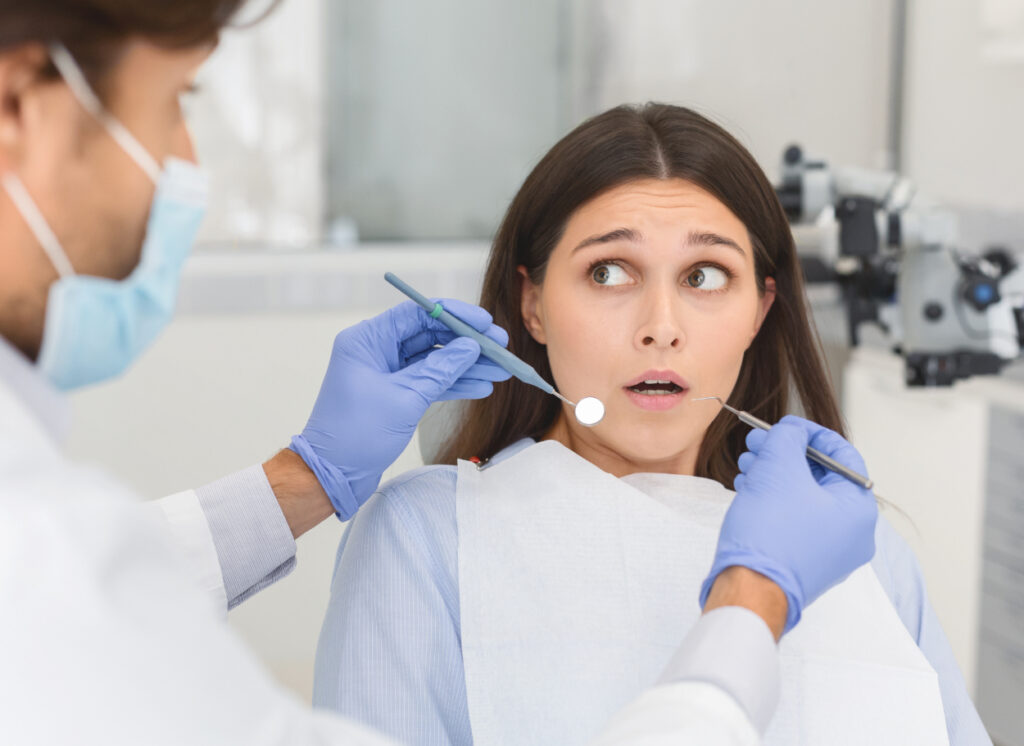

A tooth can be lost in seconds and still be saved, but the window is narrow and the details matter more than most people realize. In dental emergencies, timing is not just important, it often decides the outcome. If a permanent tooth is completely knocked out, an Emergency Dentist may be able to reimplant it and preserve it for years. If the same tooth sits dry on a counter, gets scrubbed clean, or spends too long outside the mouth, the odds drop sharply.
People often use the phrase “lost tooth” to describe several different problems. Sometimes the whole tooth has been knocked out. Sometimes it has broken at the gumline and looks gone even though part of the root remains. Sometimes a crown or bridge has come off and the natural tooth is still there underneath. Those distinctions are not technical trivia. They shape what can actually be saved, how urgently treatment is needed, and what the long-term outlook looks like.
The most urgent version is a true avulsion, which means the entire permanent tooth has been displaced from its socket. That is the situation where an Emergency Dentist has the best chance of putting the tooth back in place, stabilizing it, and giving the supporting tissues a chance to heal. It is also the situation where the first few minutes after the accident can make an enormous difference.
What determines whether a knocked-out tooth can be saved
The answer usually comes down to four factors: whether the tooth is a permanent tooth, how long it has been out of the mouth, how it was handled, and the condition of the surrounding bone and gum tissue.
The cells on the root surface are the key players. They form part of the periodontal ligament, the thin, living structure that helps the tooth attach to the bone. When a tooth is knocked out, those cells start to die if the root dries out. A tooth that is replanted very quickly, sometimes within 15 to 30 minutes, has a far better chance than one that stays dry for an hour or more. That does not mean the situation is hopeless after an hour. It means the goals may shift from ideal healing to preserving the tooth for a period of time, buying time, or protecting the bone until a more definitive restoration becomes necessary.
Age matters too, though not always in the way people expect. A child with a knocked-out baby tooth is managed very differently from an adult with a knocked-out permanent tooth. Baby teeth are generally not replanted because placing them back into the socket can damage the developing permanent tooth underneath. That point causes understandable confusion in frantic moments. Parents often assume any tooth should go back in immediately. With primary teeth, that is usually the wrong move. With permanent teeth, rapid action can be exactly right.
The condition of the socket also matters. If there is a severe fracture of the surrounding bone, contamination from debris, or a crushing injury to the area, successful reimplantation becomes more complicated. The Emergency Dentist may still attempt to save the tooth, but the prognosis depends on more than the tooth itself.
The first few minutes after the injury
What people do at home, on a sports field, or in a school parking lot often shapes what happens in the dental chair later. I have seen cases that went well largely because someone nearby stayed calm, picked the tooth up correctly, and got help fast. I have also seen a very saveable tooth become unsalvageable because it was wrapped in tissue, scrubbed with soap, or left dry while people searched online for advice.
If a permanent tooth is completely knocked out, the tooth should be handled by the crown, which is the chewing part you normally see in the mouth, not the root. If it is visibly dirty, it can be gently rinsed for a few seconds with saline or milk, or with clean water if nothing else is available. It should not be scrubbed, scraped, or disinfected. The goal is to preserve the living cells on the root, not sterilize the tooth to perfection.
If the person is alert and cooperative, and if there is no concern about swallowing or aspiration, the tooth can sometimes be placed back into the socket immediately and held there by gently biting on gauze or cloth. That is often the best scenario. If replanting on the spot is not possible, the tooth should be kept moist. Cold milk is a practical option in many real-life situations. Saline works well. A tooth preservation kit is excellent if one happens to be available. Inside the cheek can work for some adults, but not for young children or anyone who might swallow it.
Here is the simplest emergency response:
- Pick up the tooth by the crown, never the root.
- If dirty, rinse it gently for a few seconds without scrubbing.
- Reinsert it into the socket if safe to do so, or keep it in milk or saline.
- Control bleeding with gentle pressure.
- Get to an Emergency Dentist immediately.
That sequence looks straightforward on paper. In real life, people are shaken, there may be blood everywhere, and the injury often happens alongside lip cuts, facial bruising, or a possible concussion. Even then, those basic steps are worth remembering because they are often what separates a tooth that can be replanted from one that cannot.
What the Emergency Dentist does on arrival
Once the patient reaches the office or urgent care dental setting, the first job is to assess the whole injury, not just the missing tooth. Dentists check for lacerations, jaw fractures, displaced teeth, bite changes, and neurologic symptoms that suggest a head injury. If there is any sign of a more serious medical emergency, medical evaluation comes first.
If the avulsed tooth has been brought in and appears suitable for reimplantation, the dentist usually cleans the area gently, evaluates the socket, and takes radiographs to rule out root fractures or bone injury. If the tooth has already been placed back into the socket, the dentist confirms the position and stabilizes it. If not, the tooth may be replanted at that visit.
Reimplanted teeth are typically splinted to neighboring teeth with a flexible material for a short period, often around two weeks, though the exact timeline can vary depending on associated injuries. A rigid splint is generally not preferred for simple avulsions because the tooth needs a degree of physiologic movement for better healing. If there is an alveolar fracture, the stabilization plan may differ.
The patient may also receive a tetanus recommendation if the injury occurred in a contaminated environment. Antibiotics are sometimes prescribed depending on the situation, though practices vary and should be based on the clinical picture. Soft diet instructions, oral hygiene guidance, and follow-up planning are part of the same visit. If the tooth is a mature permanent tooth with a closed root apex, root canal treatment is commonly needed after reimplantation because the pulp usually will not recover. In younger teeth with open apices, the biology can be more favorable, and the dentist may monitor for signs of healing before deciding on endodontic treatment.
This is where experience matters. Reimplanting a tooth is not the end of treatment. It is the start of a careful monitoring period in which the dentist watches for resorption, ankylosis, infection, pulpal changes, and signs that the surrounding tissues are healing or failing.
The timeline that makes the biggest difference
People often ask for a precise cutoff. They want to know whether the tooth can be saved at 20 minutes, 45 minutes, 2 hours, or overnight. Dentistry does not always give neat yes-or-no thresholds, but some general patterns are well established.
A permanent tooth replanted within about 15 to 30 minutes, especially if it stayed moist and was handled carefully, has the best chance of favorable healing. Between 30 and 60 minutes, the prognosis is still meaningful, though less ideal. Beyond 60 minutes of dry time, survival of the periodontal ligament cells becomes much less likely, and long-term complications become more common. Yet even then, many dentists will still consider reimplantation in the right circumstances because preserving the tooth temporarily may help maintain appearance, function, and bone contour.
That last point surprises many patients. Saving the tooth does not always mean saving it forever. Sometimes it means preserving the site during growth, supporting speech and biting, avoiding immediate tooth replacement, or protecting the bone until an implant or other restoration becomes appropriate later. From a clinical standpoint, that can still be a very worthwhile success.
Not every “lost tooth” is truly gone
A phone call to an Emergency Dentist often begins with panic: “My tooth fell out.” After examination, the problem turns out to be something else, often less severe and more manageable.
A crown can come off and leave the natural tooth intact. A veneer can detach. A bridge can loosen. A heavily broken tooth can appear missing because the visible portion snapped off at the gumline. In those cases, the dentist’s job shifts from reimplantation to protection, pain control, and planning the most conservative repair possible.
Sometimes a fractured tooth can be rebuilt with bonding or a crown if enough healthy structure remains. Sometimes the root is salvageable and can support treatment after root canal therapy and a new restoration. In other cases, the break extends below the gumline or splits the root, which usually pushes the tooth toward extraction. These are judgment calls informed by radiographs, the fracture pattern, periodontal support, and how the tooth functions in the bite.
This is why a same-day exam matters. Patients often assume the outcome is obvious when it is not. I have seen teeth dismissed as “goners” that were restorable, and teeth that looked salvageable at first glance but had vertical root fractures that made long-term success unrealistic.
Children, sports, and the baby tooth question
If a small child loses a tooth after a fall, the first question is whether it was a baby tooth or a permanent tooth. The front permanent incisors usually erupt around ages six to eight. In a five-year-old, a lost front tooth is often a primary tooth. In a nine-year-old, it is much more likely to be permanent. Age is not a perfect guide, but it helps.
Primary teeth are generally not replanted. The concern is injury to the developing permanent tooth bud. Parents understandably feel uneasy hearing that the tooth will not be put back, but in most cases that is the standard and safer choice. The dentist still needs to examine the area because gum injuries, embedded fragments, and damage to adjacent teeth are common after a fall.
For school-age children and teenagers in sports, mouthguards make a real difference. They do not prevent every dental injury, but they reduce both the severity and frequency. In contact sports, that protection is obvious. In activities like skateboarding, biking, gymnastics, and basketball, it is just as relevant even if people think of them less often as “mouthguard sports.”
Situations where saving the tooth becomes less likely
An Emergency Dentist can often help even when the odds are not ideal, but some findings make successful long-term retention less likely:
- The tooth stayed dry for well over an hour.
- The root was scrubbed, scraped, or chemically cleaned.
- The tooth or root is fractured.
- The socket and surrounding bone are severely damaged.
- The tooth is a baby tooth rather than a permanent tooth.
Even here, nuance matters. A poor prognosis is not the same as no value in treatment. Sometimes reimplantation is still considered to preserve space and bone. Sometimes it is not appropriate because the risks outweigh the benefits. That balance should be decided clinically, not guessed at over the phone.
What “saving” really means over the long term
The public usually thinks of success in simple terms: either the tooth was saved or it was not. Dentists tend to think in time horizons and tissue behavior. A replanted tooth can look excellent at first and still develop replacement resorption months or years later. Another may require root canal treatment but remain comfortable and functional for a long time.
Ankylosis is one of the better-known long-term complications. In that process, the tooth fuses to the bone and gradually loses the normal periodontal ligament space. In a growing child, ankylosis can create an esthetic problem because the tooth stops moving with the rest of the developing dentition and appears to sink relative to adjacent teeth over time. In an adult, the implications are different, but it is still not ideal.
External inflammatory resorption is another concern, particularly when the root surface has been damaged or infection develops. Careful follow-up is essential because these changes may not be obvious to the patient early on. A tooth can feel reasonably normal even while pathologic resorption is beginning.
This is why follow-up appointments are not optional formalities. The dentist needs to reassess the tooth clinically and radiographically, often over a period of months and then years. The conversation with patients should be honest: yes, the tooth has been saved for now, but it may still need future treatment, and in some cases it may eventually be lost despite excellent care.
Pain, swelling, and the injuries around the tooth
A knocked-out tooth rarely happens in isolation. The lip may be cut by the tooth edge. The socket may be bruised or fractured. Adjacent teeth may be intruded, loosened, or cracked. Sometimes the patient is more focused on the empty space than on the neighboring incisors that also sustained trauma. That is a mistake easy to make in the moment, and one more reason prompt professional evaluation matters.
A person who has facial trauma, dizziness, nausea, significant jaw pain, trouble opening the mouth, or uncontrolled bleeding needs broader assessment. Dental trauma can overlap with medical trauma. If there is any concern about head or neck injury, emergency medical care comes first.
Pain control at home before the dental visit is usually straightforward but should stay within common-sense limits. Cold compresses can help with swelling. Over-the-counter pain relievers may be appropriate for many adults, assuming there are no personal medical reasons to avoid them. Aspirin is often not ideal in bleeding situations. The treating clinician can tailor advice to the patient’s age, medical history, and the specifics of the injury.
When the tooth cannot be saved
Not every lost tooth can be put back, and not every replanted tooth lasts. When salvage is no longer realistic, the focus shifts to preserving bone, restoring appearance and function, and choosing a replacement that fits the patient’s age, health, budget, and timeline.
For adults, options often include a dental implant, a bridge, or a removable prosthetic during an interim healing phase. For younger patients who are still growing, implants are usually delayed, which creates a different planning challenge. In those cases, maintaining the space and supporting appearance during adolescence becomes part of the treatment strategy.
This is where the emergency visit still matters even if the tooth cannot be saved. Quick treatment can reduce infection risk, protect the socket, manage pain, and improve the conditions for whatever comes next. Emergency care is not only about heroic rescue. Sometimes it is about making the next stage of treatment cleaner, simpler, and more predictable.
The question patients ask most often
People often look straight at the dentist and ask, “Be honest, what are the chances?” It is a fair question, and the honest answer depends on details that can only be assessed in person. A permanent tooth retrieved quickly, kept moist, https://maps.app.goo.gl/xbjvDFvMJ78BJKnj9 and replanted soon after injury can do surprisingly well. A dry tooth found hours later in a parking lot has a much more uncertain future. Between those two extremes lies a wide middle ground where judgment matters.
The best message is practical rather than dramatic. Yes, an Emergency Dentist can sometimes save a lost tooth. In the right circumstances, they can save it beautifully. But the result depends heavily on what happens before the patient ever reaches the office. The faster the response, the gentler the handling, and the better the storage conditions, the more options the dentist has.
That is why dental trauma deserves urgency. A broken filling can often wait a bit. A fully avulsed permanent tooth should not. If the tooth is out of the mouth, the clock is running, and every sensible step taken immediately improves the odds that the empty space in the smile will not stay empty for long.
Simple Dental South Gate
Address: 8617 California Ave, South Gate, CA 90280
Phone number: +13236896118
FAQ About Emergency Dentist Southgate CA
What can the ER do for a tooth?
The emergency room can provide temporary symptom relief for a bad tooth, such as prescribing pain medicine or antibiotics, but it cannot fix the actual dental problem.
What is the 3-3-3 rule for tooth infection?
The 3-3-3 rule for a toothache or infection typically means taking three 200 mg ibuprofen tablets (600 mg total) three times a day for no more than three days to control pain and swelling while waiting to see a dentist.
What do you do if you have a dental emergency but no dentist?
If you have a dental emergency and no regular dentist, you should search for an urgent care dental clinic, call local walk-in dental offices, or go to a hospital emergency room if you have severe bleeding, swelling, or trouble breathing.